A Level Economics
Economics is the science of how people make choices. Think of any situation that you have made a choice- studying Economics will give you a greater perspective on how you make decisions, as well as insight to how individuals, firms, governments, and societies choose those things that will make them better off. Economists are constantly analysing the way people approach decisions, and their findings are often interesting and surprising. Studying Economics will give you the tools to analyse your world and give you a fresh perspective.
About
The fundamental problem in Economics is how society allocates scarce resources between an infinite number of wants and needs. How did you decide how to spend your time this morning? How does the real estate market decide who gets to live where? How does the government decide how best to spend its tax revenue? These questions are all examples of this fundamental problem, which we elaborate using different contexts and models throughout the course.
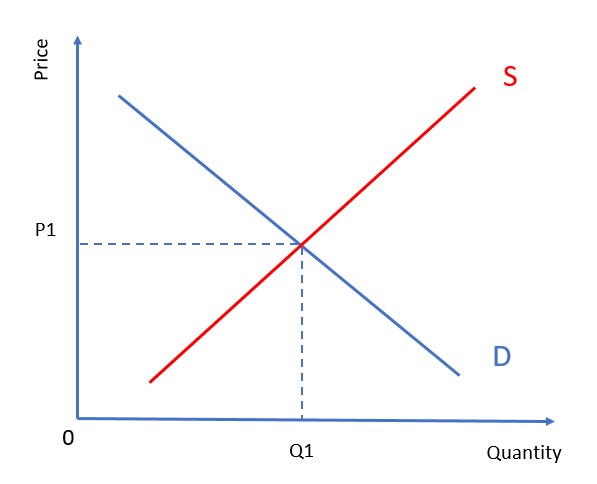
We begin by looking at Microeconomics- the branch of the subject that looks at the way that individuals and firms make decisions. This explores issues regarding what people demand in a market, who is supplying it, and how a market will match consumers and sellers and set a price. We explore the nature of the labour market and then dive into instances when a market fails to allocate the correct amount of a good or a service- for example, when there are issues in the production of the good that cause pollution.
We then move to Macroeconomics- the branch of the subject that explores how the whole economy behaves as individuals make decisions in aggregate. This involves those sorts of ‘economics’ concepts you will read about in the newspaper- inflation, interest rates, economic growth, unemployment and balance of payments. We explore how government policies affect these measurements, and spend time looking at how exchange rates are determined. This is the section of the course that goes well with reading the newspaper- you will have plenty to say around the dinner table by the end of Year 1.
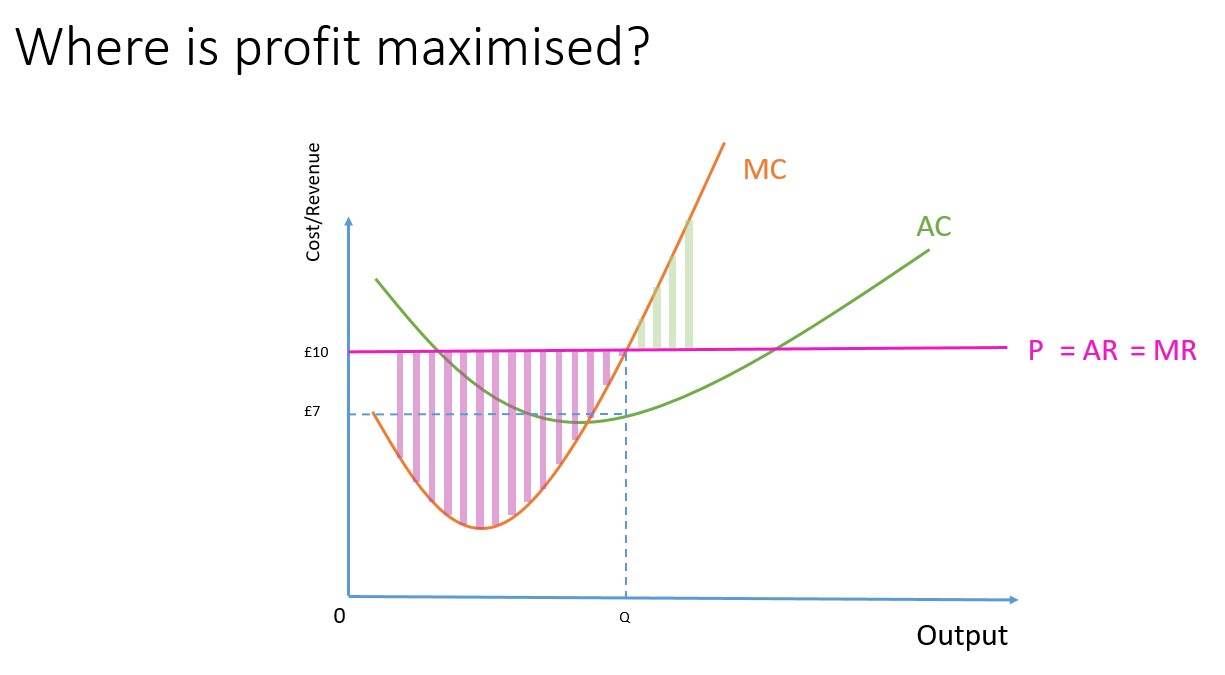
In Year 2 we explore market structures- how firms behave depending on the conditions of the market. What are the outcomes for a market with many small firms, compared to a monopoly? Should we nationalise the railways? Following these discussions we explore global economics- the economic interactions between nations (for example: free trade and customs unions) and what factors determine how countries develop.
Examination Content
Component 1: Economic Principles (exam)
1 hour 30 minute paper. 60 marks. 30% of A Level qualification. A series of multiple-choice questions, followed by short-answer questions using information from small case studies. Covers both Microeconomics and Macroeconomics. Maximum question value of 8.
Component 2: Exploring Economic Behaviour (exam)
2 hour 30 minute paper. 80 marks. 30% of A Level qualification. Two in-depth case studies with 6-7 short-answer questions following. Covers both Microeconomics and Macroeconomics. Maximum question mark value of 12.
Component 3: Evaluating Economic Models and Policies (exam)
2 hour 30 minute paper. 90 marks. 40% of A Level Qualification. Three sections of essay questions covering Microeconomics, Macroeconomics, and Trade and Development. Each section presents candidates with a choice between two sets of questions. Each set of essays includes two questions: one with value 10 marks and one with value 20 marks.
Assessment Arrangement
Your achievement in this subject is dependent upon excellent attendance, punctuality and effort. You will learn in a friendly atmosphere, using a variety of delivery and assessment methods.
You will be assessed regularly on written work that is conducted either as homework or under timed conditions in class. Your progress will be monitored through regular multiple-choice tests over the course of the year. Part of your preparation will include sitting mock examinations, which will be marked in accordance with examination board guidelines.
Progression Opportunities
A Level Economics students have a range of options available following completion of their course. The course is well-suited to students wishing to pursue Economics at degree level. Additionally, the skills learned in A Level Economics support a wide variety of degree programmes in other subjects. Employers value the excellent analytical and numerical skills that you will gain as part of this course.